Duchess of Edinburgh Clematis
White Double Flowers on Hardy, Disease and Deer-Resistant Vine
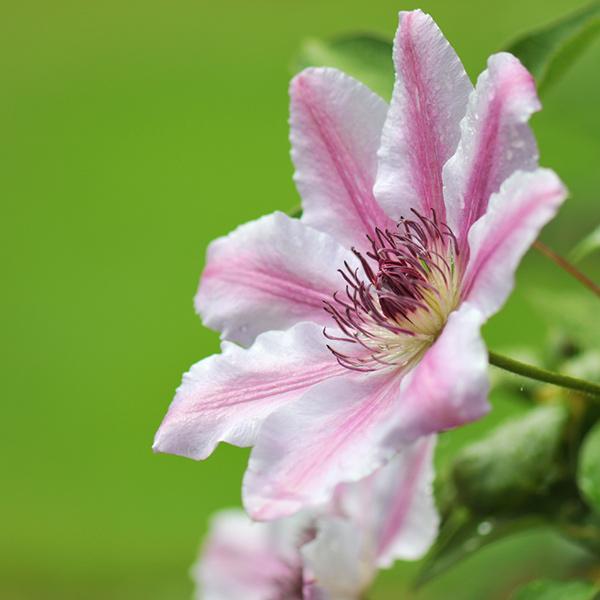
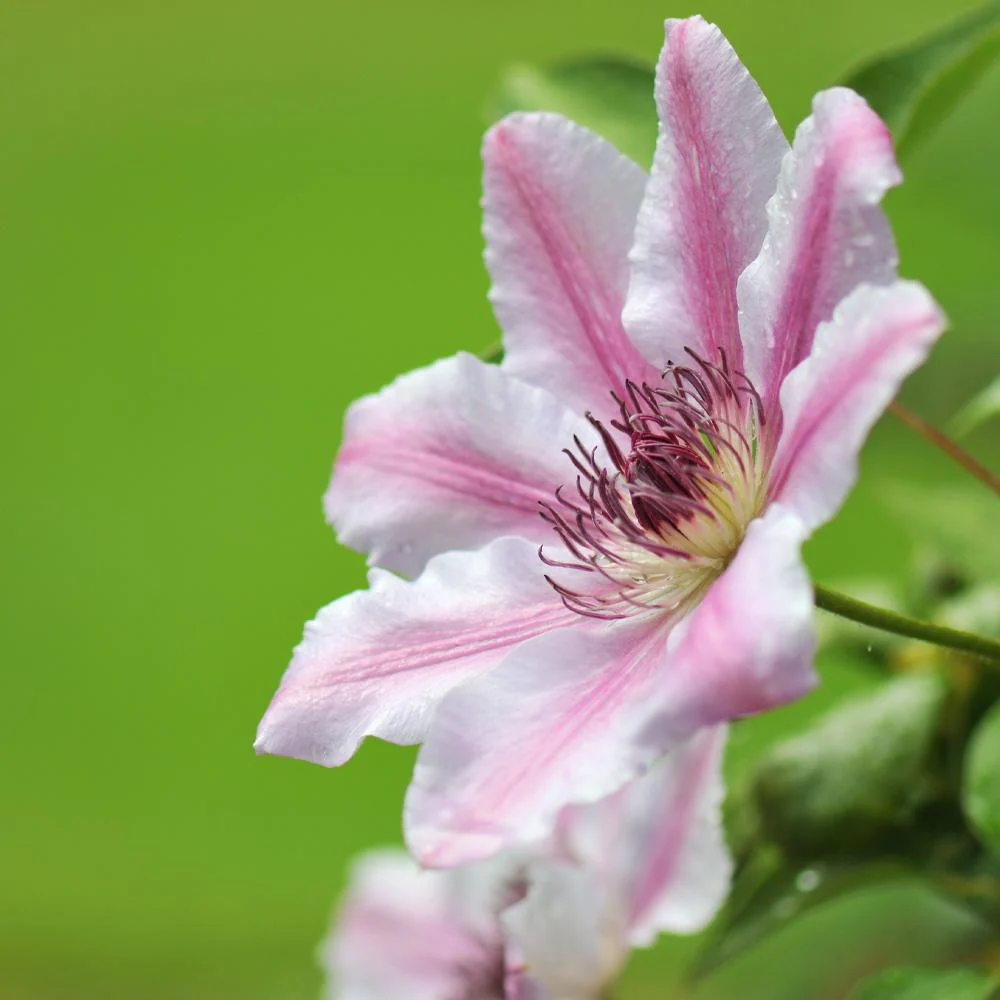
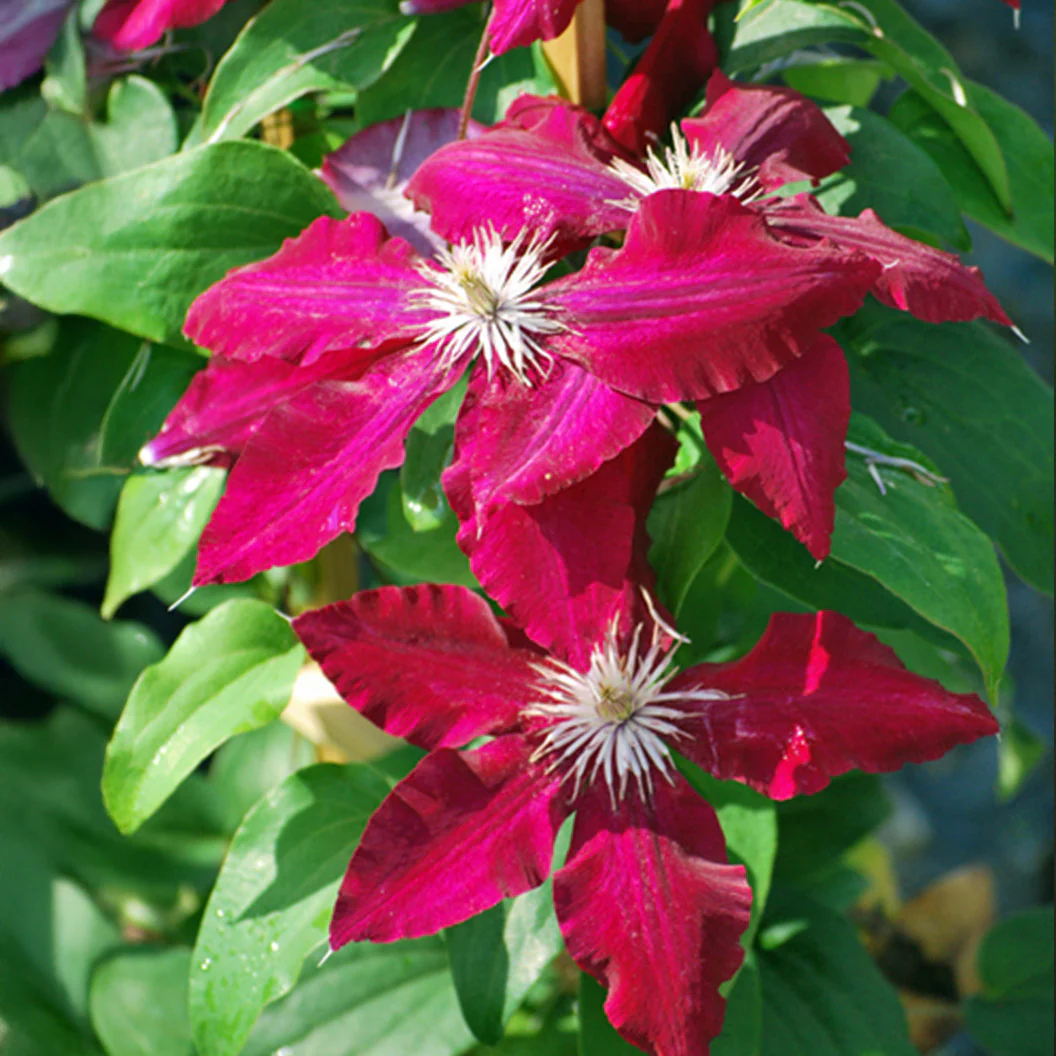
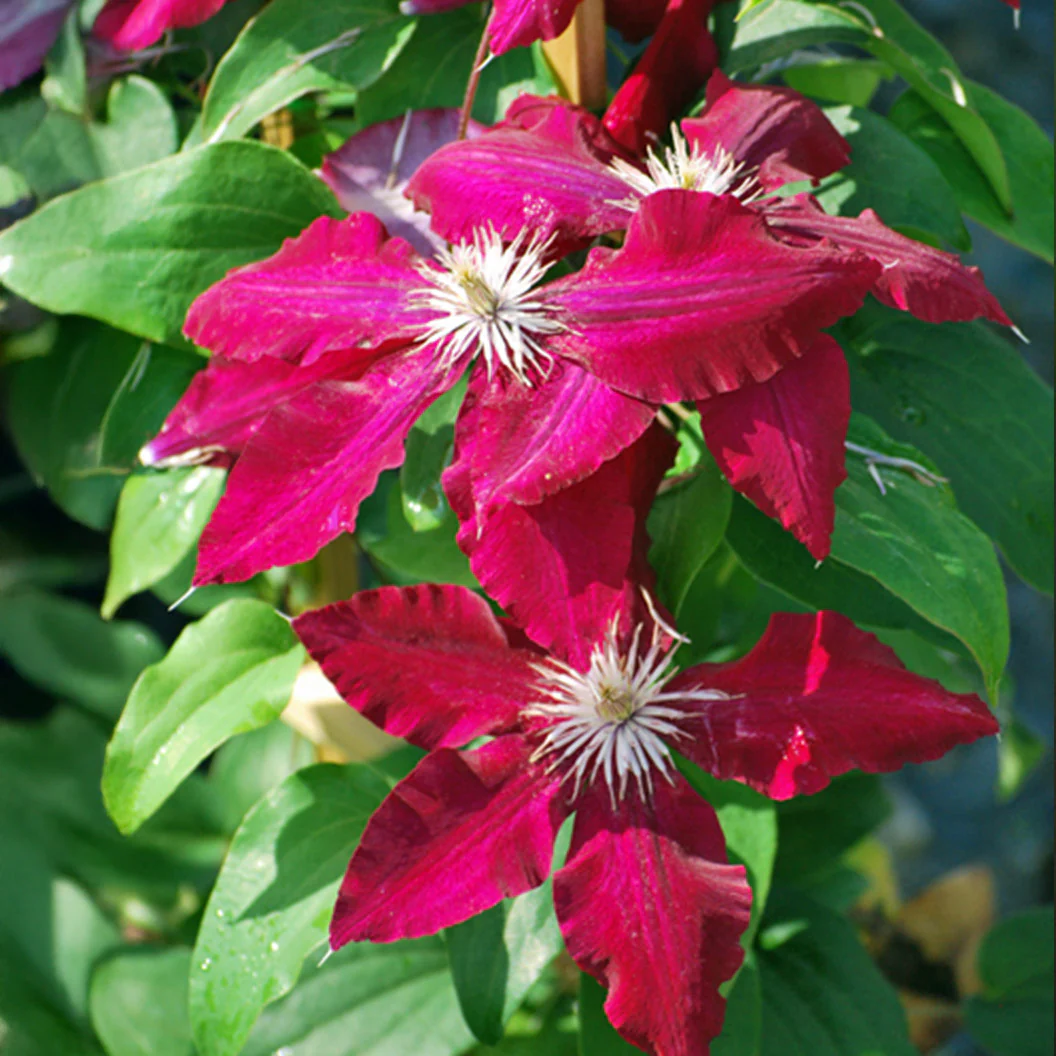
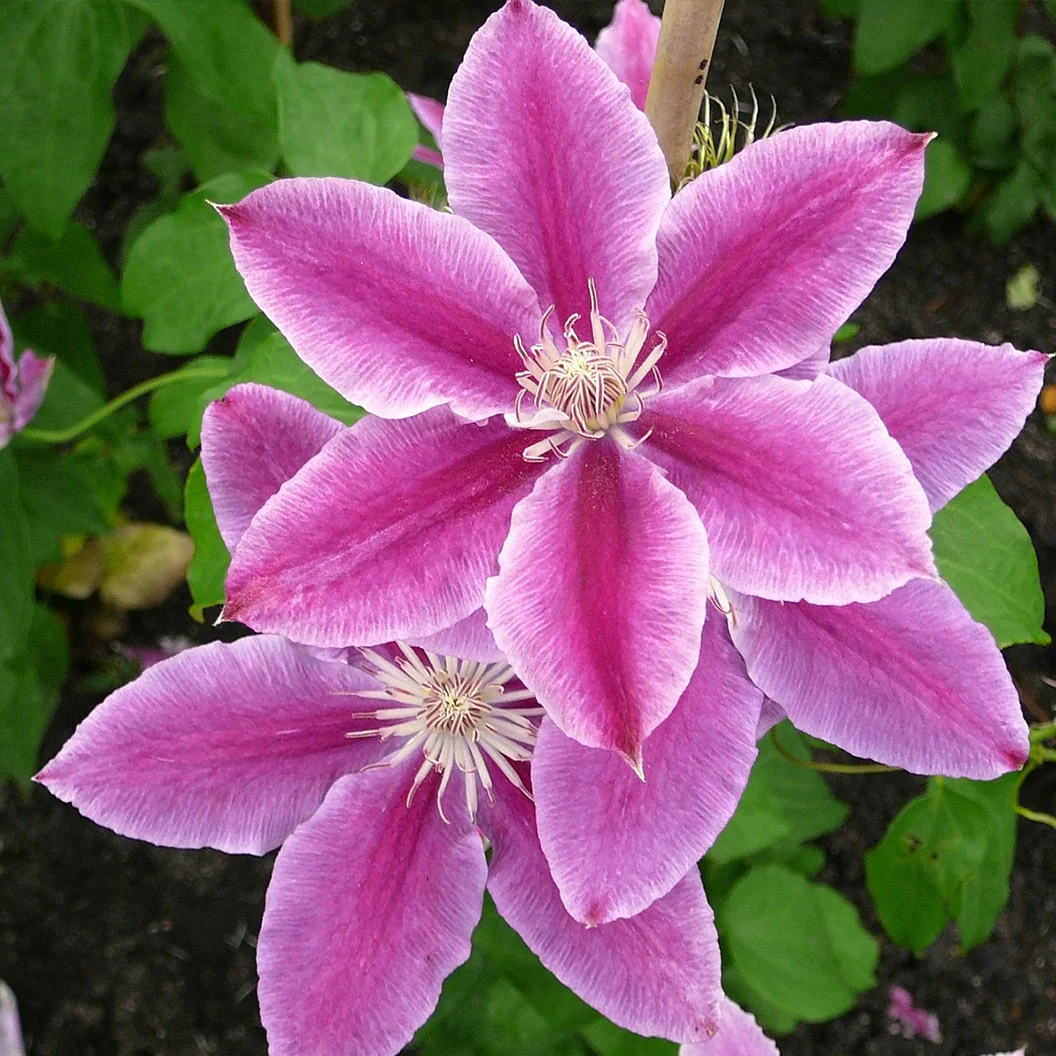
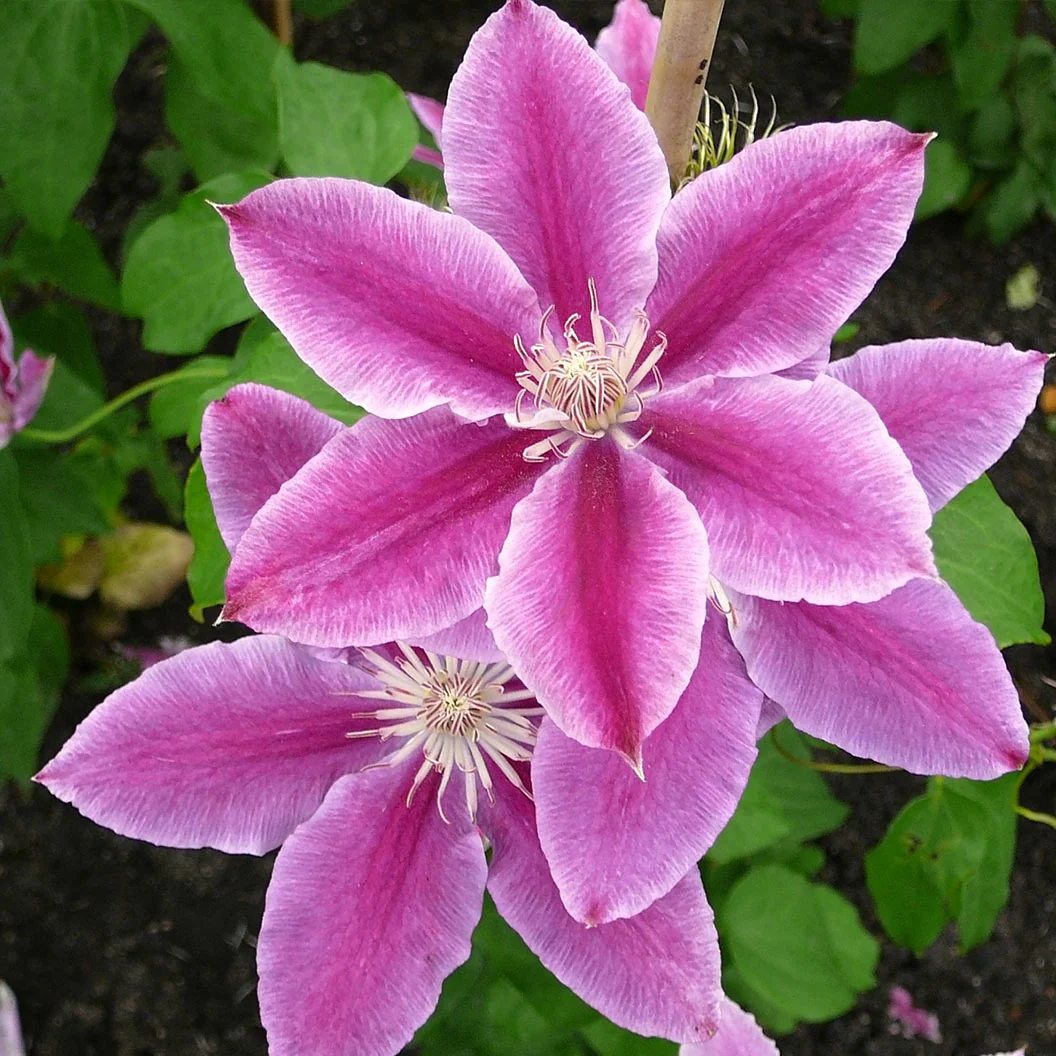
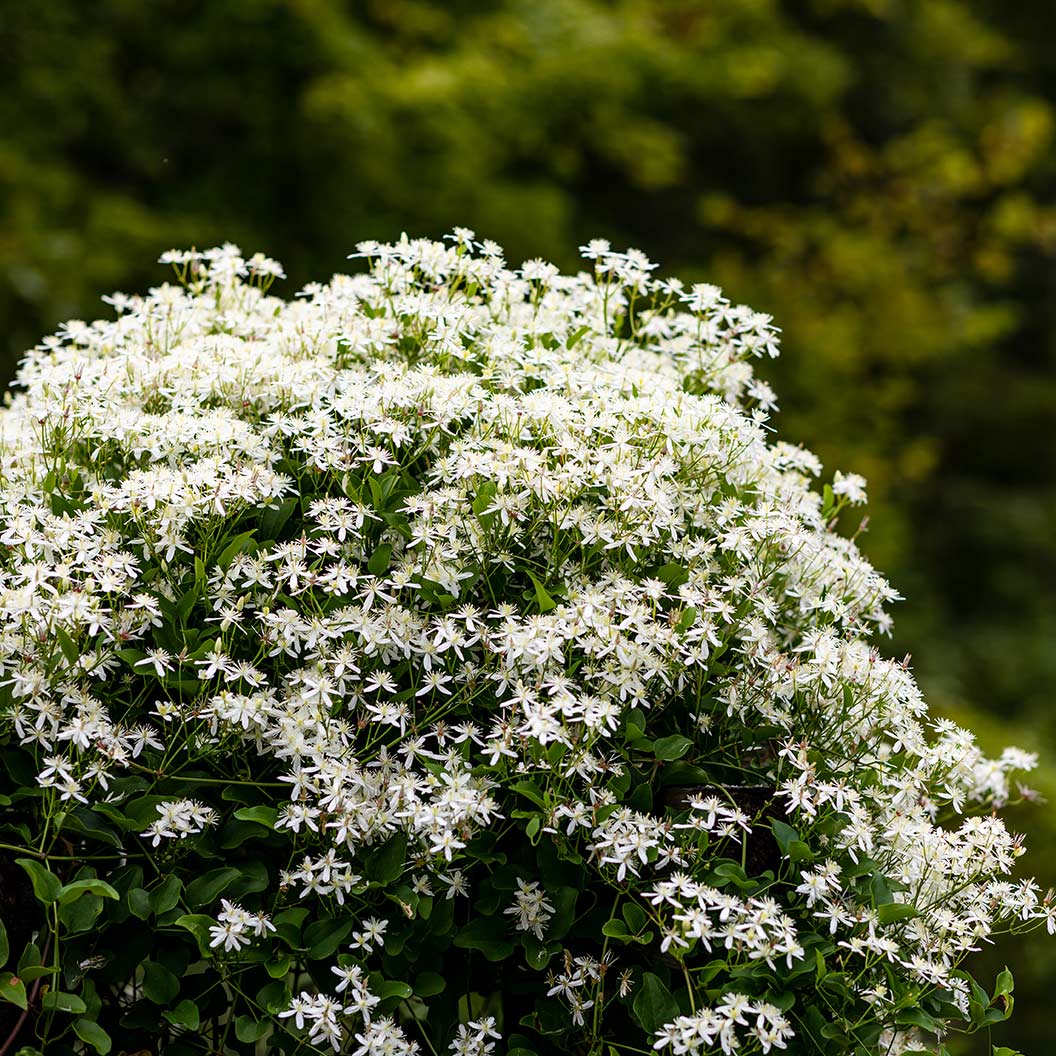
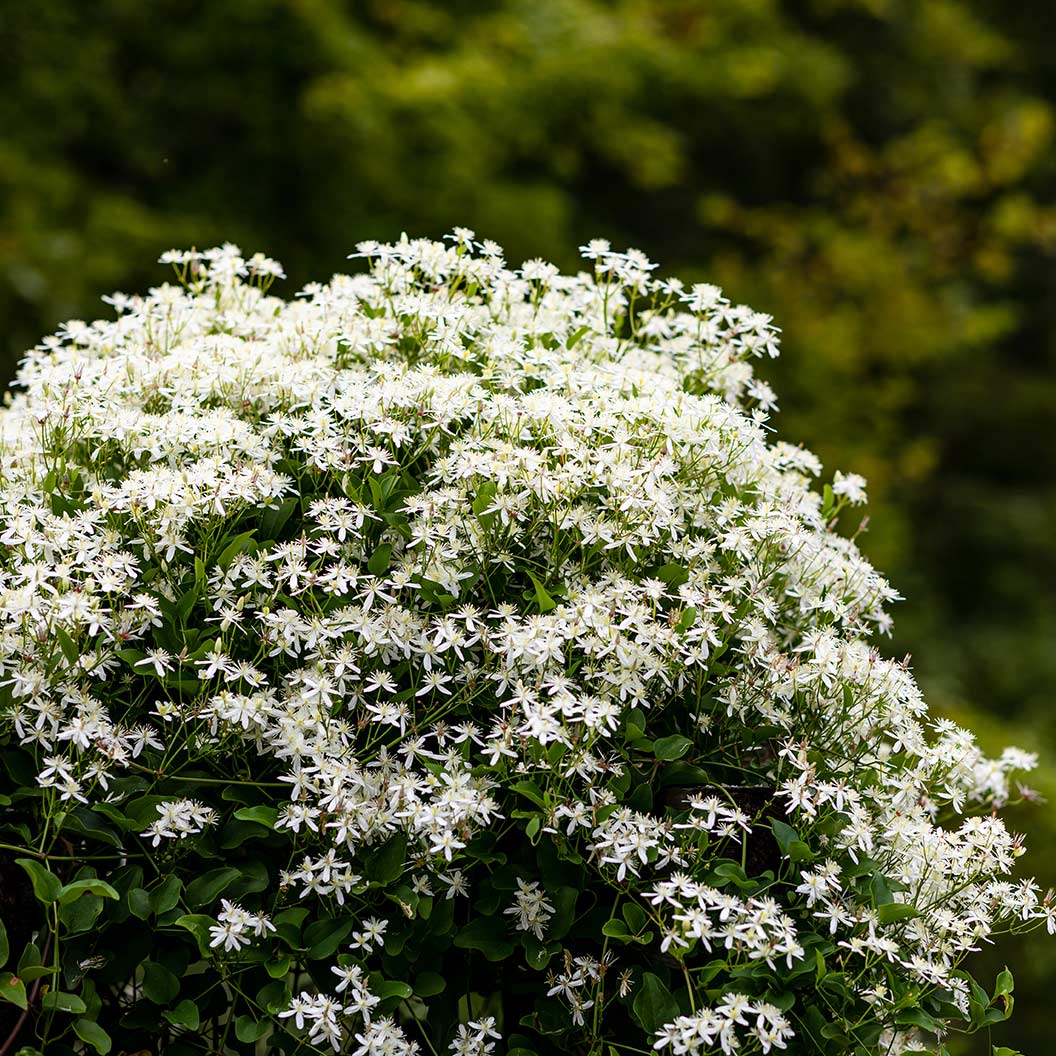
The elegant Duchess of Edinburgh Clematis offers you waves of blooms from spring to summer, and again in late summer to fall. Watch as butterflies and hummingbirds visit your yard when you add this perennial vine.
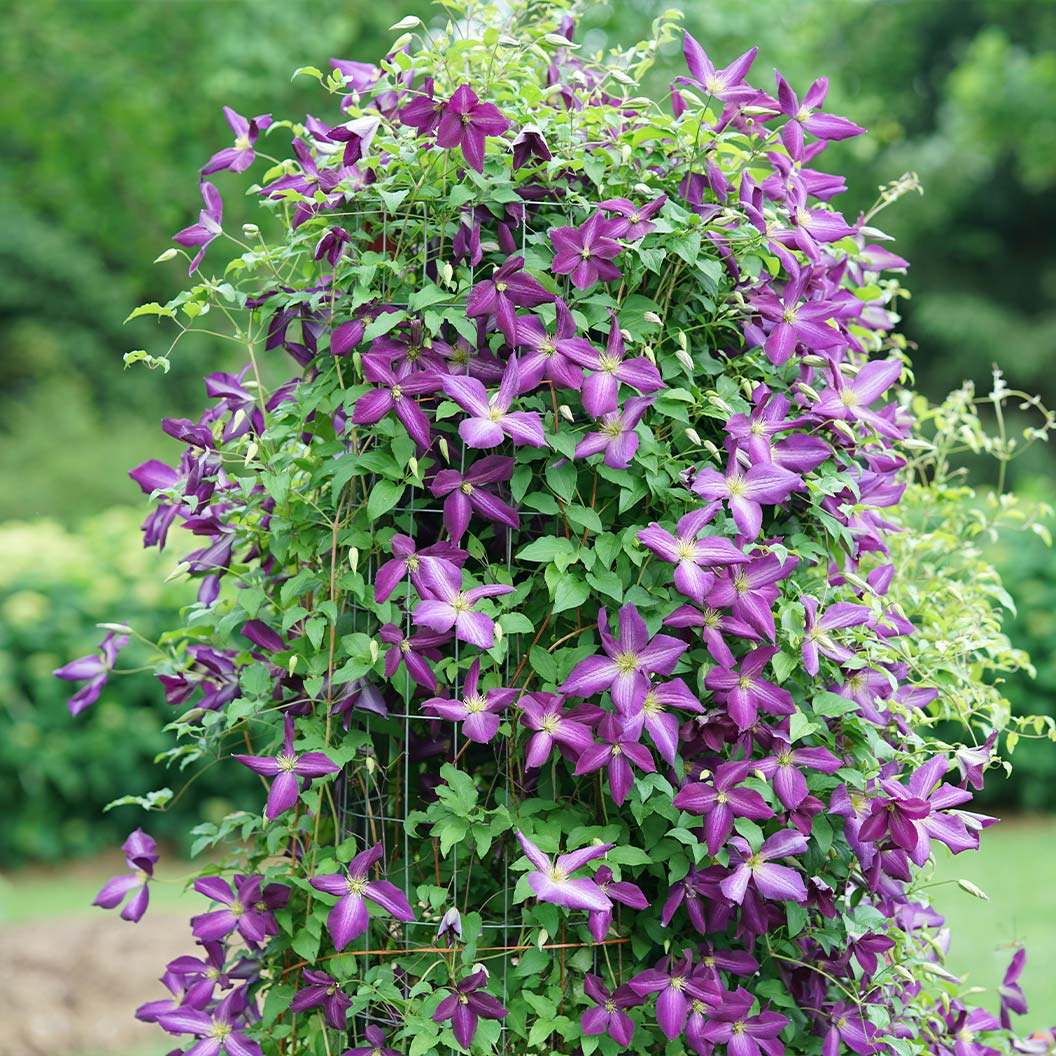
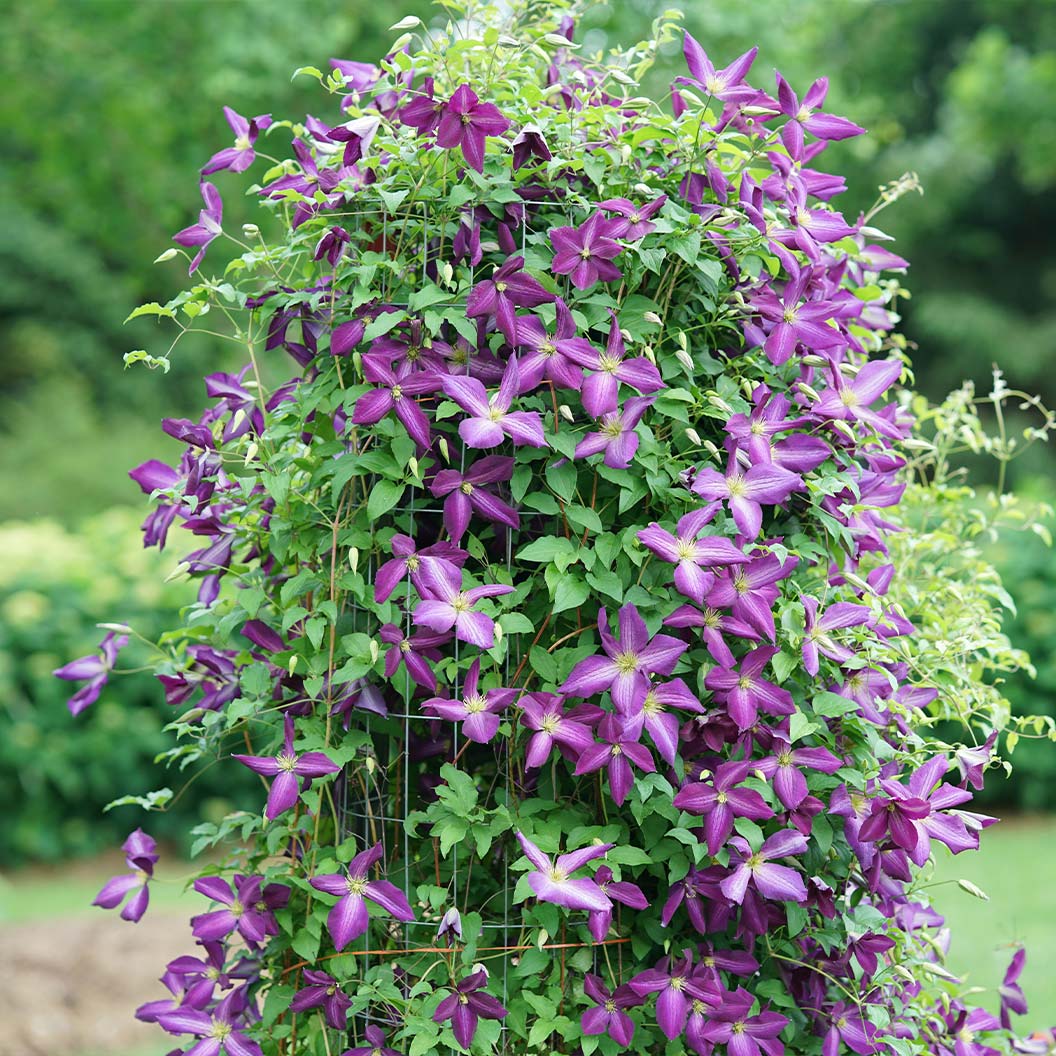
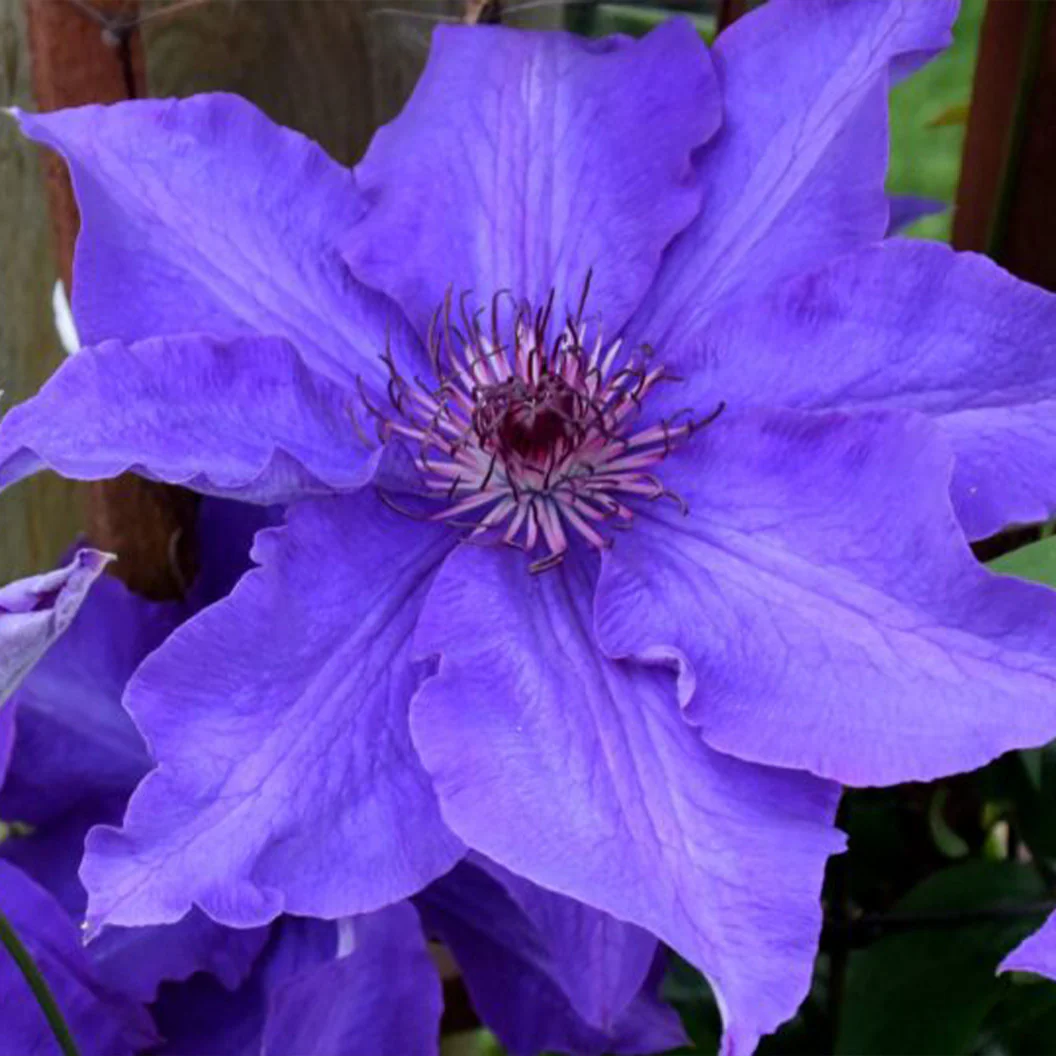
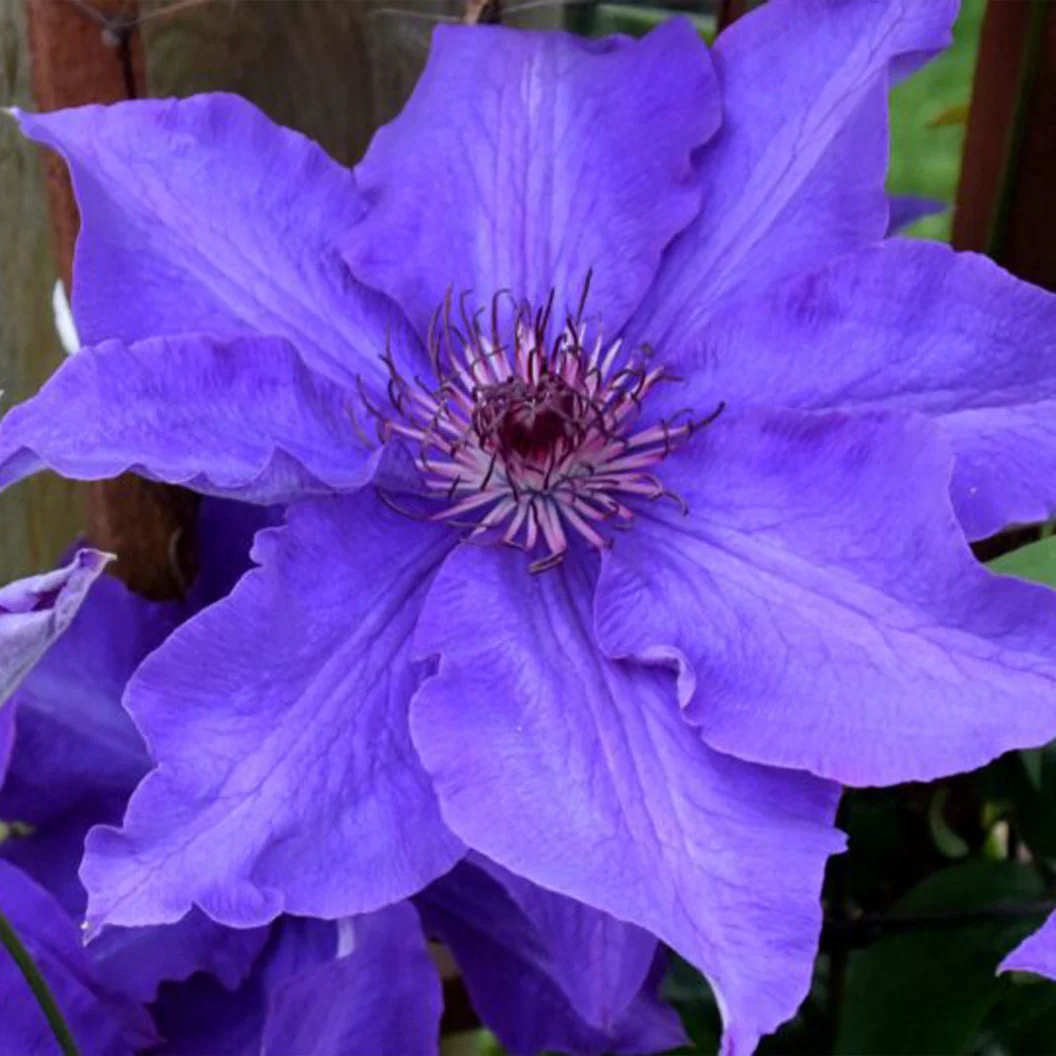
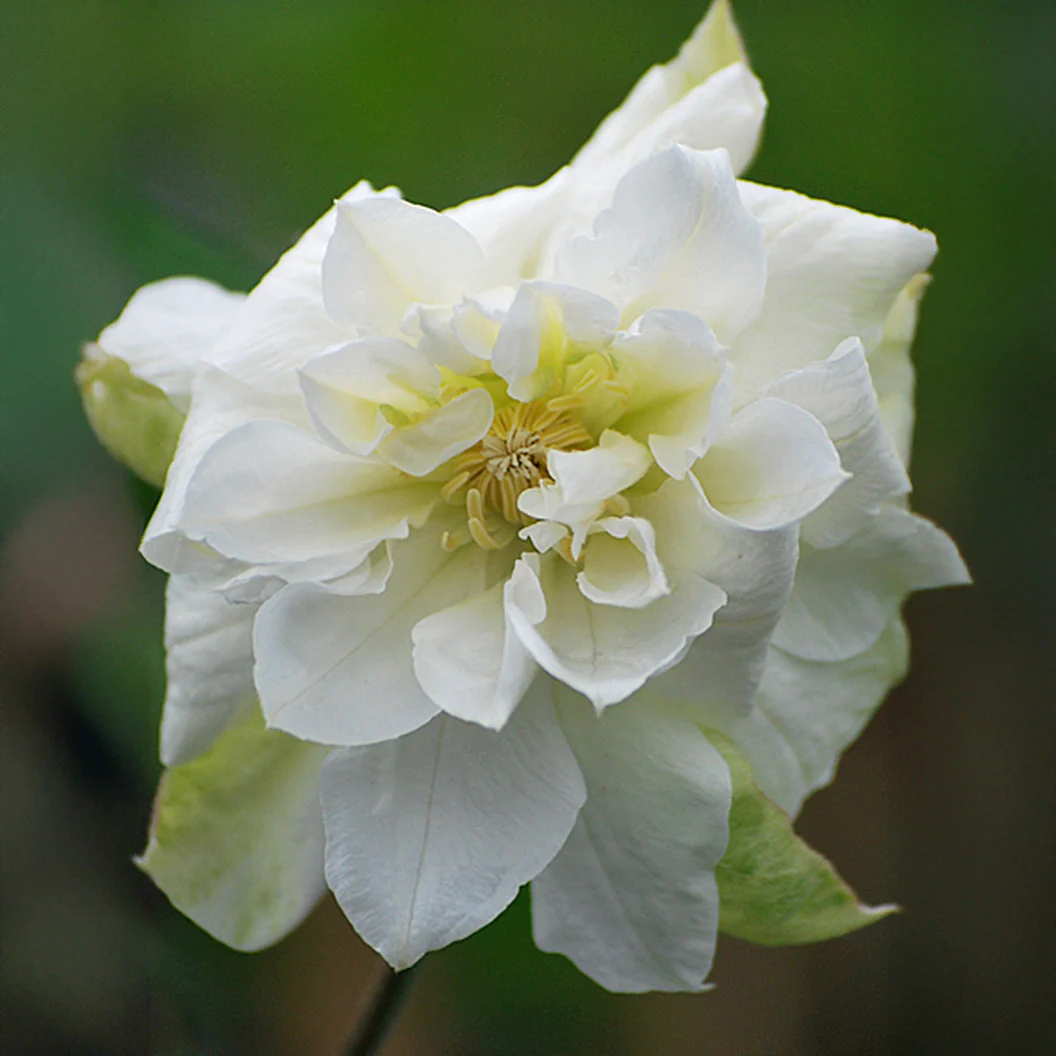
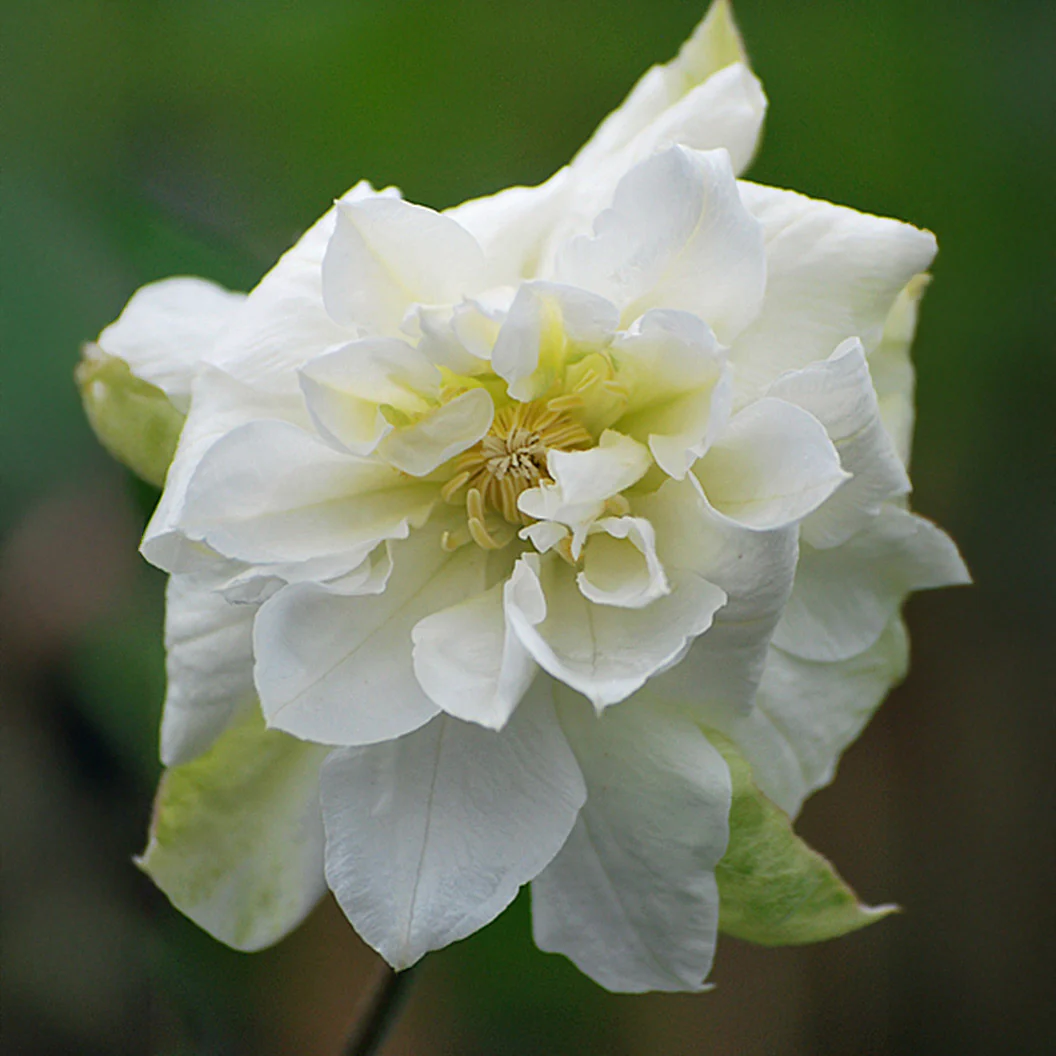
This plant has pure white double flowers on a climbing vine, perfect for some natural decor on your trellis, pergola, fence, and more. It even has a vigorous growth habit, with green leaves to wonderfully accent the white hues of the large blooms.
Plus, the Duchess is cold-hardy and resistant to deer and diseases for an easy-to-grow variety that provides a big return each year. It's no wonder this is one of the best double white Clematises on the market!
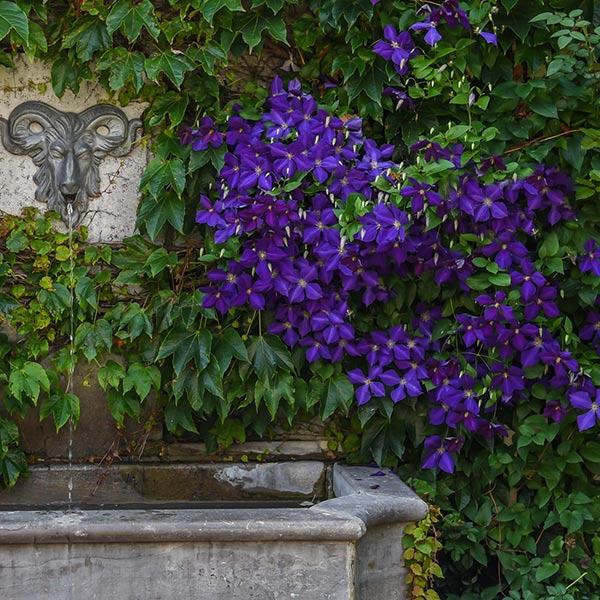
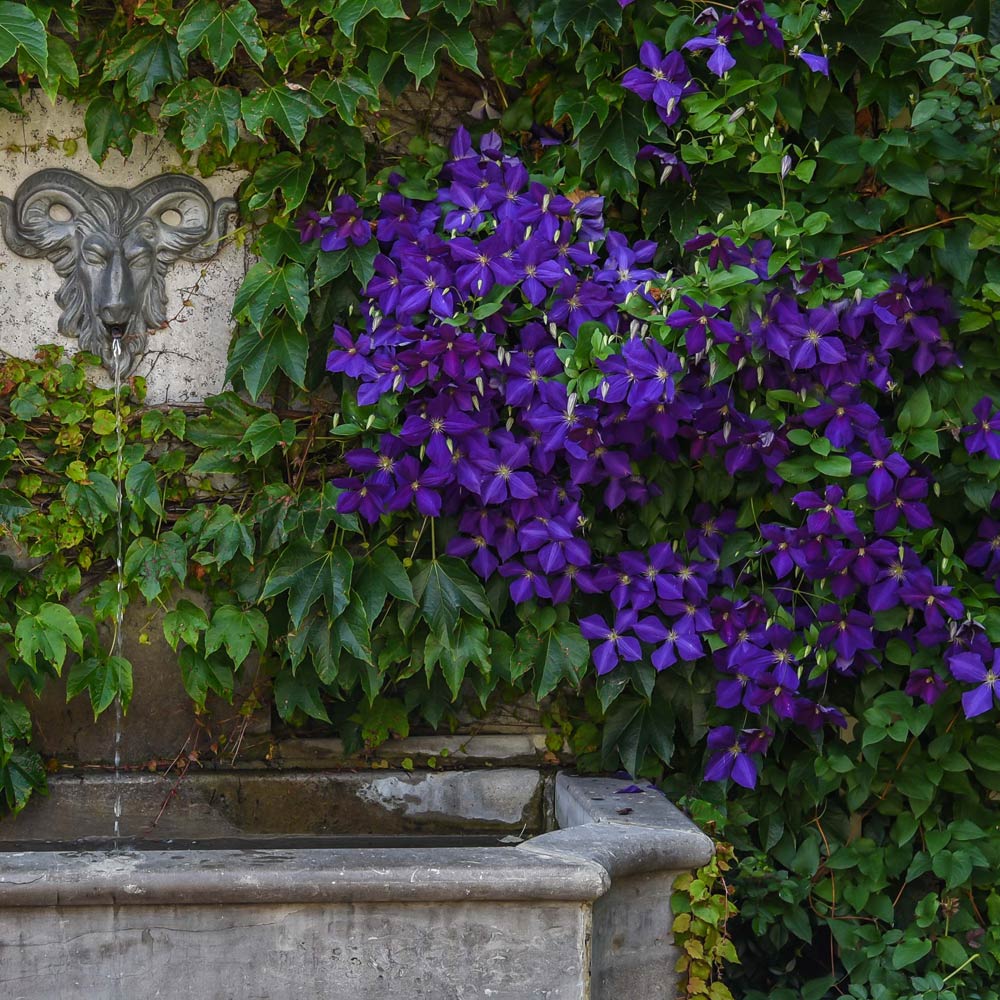
Use the Duchess of Edinburgh Clematis for an appealing privacy screen or to elevate your garden with snowy white shades. Buy yours now!
Planting & Care
1. Planting: The Duchess of Edinburgh Clematis thrives in cool, moist, well-drained soil and prefers full sun to partial shade. To promote optimal growth and blooming, remember the principle of "feet in the shade, head in the sun." This deer-resistant variety flourishes with proper care.
These vines prefer rich, loose, well-drained soil with organic matter and shaded roots, achievable through low-growing plants or mulch, while their leaves enjoy sunlight.
Once you receive your clematis, plant it immediately, allowing enough space for growth. At planting time, position a stake, trellis, or arbor for support, using a structure with rungs no thicker than half an inch and gaps no more than six inches apart.
2. Watering: Consistent watering during droughts is crucial for a healthy clematis. However, ensure proper drainage to prevent root diseases.
3. Fertilizing: Fertilize in early spring, just before new growth begins, to ensure your plant has a strong start. Consider using a balanced NPK fertilizer or organic compost.
4. Pruning: The Duchess of Edinburgh Clematis benefits from moderate pruning in late winter to early spring, before blooming. This encourages abundant flowers, and deadheading spent blooms promotes continuous flowering throughout the season.
Original: $51.95
-65%$51.95
$18.18Product Information
Product Information
Shipping & Returns
Shipping & Returns
Description
White Double Flowers on Hardy, Disease and Deer-Resistant Vine
The elegant Duchess of Edinburgh Clematis offers you waves of blooms from spring to summer, and again in late summer to fall. Watch as butterflies and hummingbirds visit your yard when you add this perennial vine.
This plant has pure white double flowers on a climbing vine, perfect for some natural decor on your trellis, pergola, fence, and more. It even has a vigorous growth habit, with green leaves to wonderfully accent the white hues of the large blooms.
Plus, the Duchess is cold-hardy and resistant to deer and diseases for an easy-to-grow variety that provides a big return each year. It's no wonder this is one of the best double white Clematises on the market!
Use the Duchess of Edinburgh Clematis for an appealing privacy screen or to elevate your garden with snowy white shades. Buy yours now!
Planting & Care
1. Planting: The Duchess of Edinburgh Clematis thrives in cool, moist, well-drained soil and prefers full sun to partial shade. To promote optimal growth and blooming, remember the principle of "feet in the shade, head in the sun." This deer-resistant variety flourishes with proper care.
These vines prefer rich, loose, well-drained soil with organic matter and shaded roots, achievable through low-growing plants or mulch, while their leaves enjoy sunlight.
Once you receive your clematis, plant it immediately, allowing enough space for growth. At planting time, position a stake, trellis, or arbor for support, using a structure with rungs no thicker than half an inch and gaps no more than six inches apart.
2. Watering: Consistent watering during droughts is crucial for a healthy clematis. However, ensure proper drainage to prevent root diseases.
3. Fertilizing: Fertilize in early spring, just before new growth begins, to ensure your plant has a strong start. Consider using a balanced NPK fertilizer or organic compost.
4. Pruning: The Duchess of Edinburgh Clematis benefits from moderate pruning in late winter to early spring, before blooming. This encourages abundant flowers, and deadheading spent blooms promotes continuous flowering throughout the season.